Forty Hall upholstery cleaning tips for Enfield homeowners
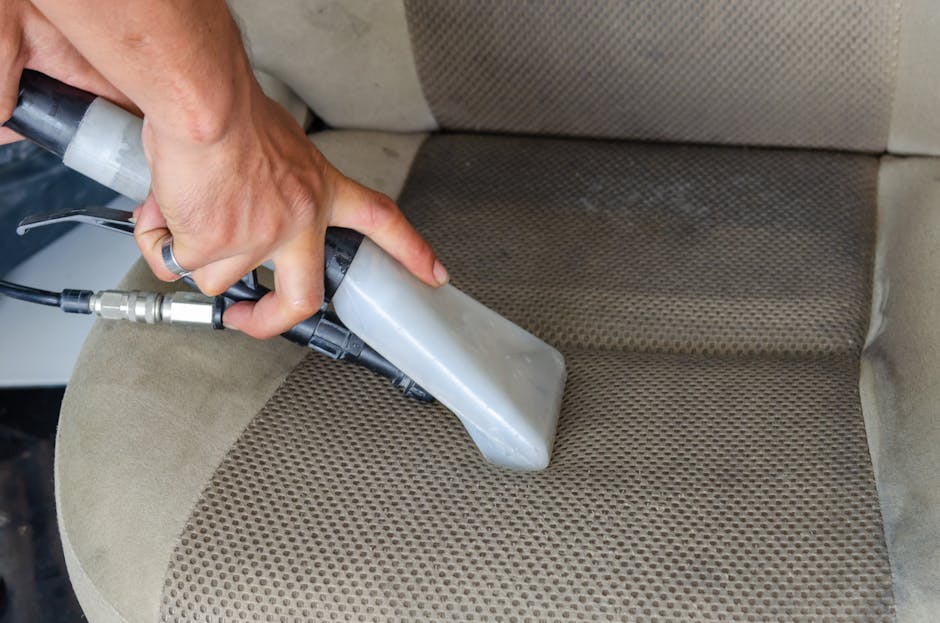
If you live near Forty Hall, you already know the mix of beautiful older homes, family life, pets, visitors, and the occasional muddy shoe makes upholstery work hard. Sofas, dining chairs, headboards, footstools, and even window seats can start looking tired long before they wear out. That is where these Forty Hall upholstery cleaning tips for Enfield homeowners come in: practical, sensible advice to help you keep fabrics fresher for longer without ruining the material or making stains worse.
Truth be told, upholstery is one of those things people notice only when it has gone a bit grey at the arms, picked up a smell, or collected enough crumbs to feed a small army. The good news? Most damage happens from simple mistakes, not from the original spill. This guide walks you through how upholstery cleaning works, what to do at home, when to leave it alone, and when a professional clean makes more sense. It is designed for real Enfield homes, not glossy magazine perfection.
Expert summary: Start with the fabric type, test before you clean, use the least moisture possible, and act quickly on spills. If a stain is spreading, the fabric is delicate, or the item has a lingering odour, stop and reassess before you make it worse.
Why Forty Hall upholstery cleaning tips for Enfield homeowners Matters
Forty Hall is one of those parts of Enfield where homes often carry a bit of character. That can mean older soft furnishings, mixed-fabric pieces, and family rooms that do a lot of heavy lifting. Upholstery is not just decorative; it is one of the most touched, sat on, leaned against, and occasionally spilled on parts of the home. Dust, body oils, food residue, pet hair, and everyday traffic build up gradually, so the change is easy to miss until the fabric looks dull or feels sticky.
For homeowners, this matters for three simple reasons. First, cleaning protects the appearance of your furniture. Second, it helps reduce trapped odours and grit that shorten fabric life. Third, it can stop a small mark becoming a permanent one. That last point is the big one. A fresh tea splash on a sofa cushion is annoying. A tea splash that is scrubbed hard, soaked through, and left to dry unevenly is a much bigger headache.
There is also a local reality to think about. Enfield homes deal with busy family routines, damp weather, open windows in summer, and heating in winter. That combination can affect drying times and increase the risk of musty smells if upholstery is cleaned badly. So the goal is not just to clean. It is to clean well, gently, and in a way that suits the fabric and the room.
If you want a broader sense of what a specialist service covers, the site's upholstery cleaning service is a useful place to compare home care with professional treatment. For more general fabric care around the house, many homeowners also look at sofa cleaning and stain removal when a spill refuses to budge.
How Forty Hall upholstery cleaning tips for Enfield homeowners Works
Upholstery cleaning is really about three things: identifying the fabric, removing loose dirt, and using the right cleaning method for the material. That may sound simple, but it is where many DIY jobs go wrong. A velvet chair does not behave like a synthetic office sofa. A cotton blend does not react the same way as leather, and one wrong product can leave rings, flatten the pile, or strip colour.
Most upholstery fabrics can tolerate some kind of maintenance clean, but the method should match the care code and condition of the item. In plain English, that means you need to know whether the furniture can take water-based cleaning, solvent-based cleaning, or only light vacuuming and surface care. If there is no label, be cautious. Very cautious, if we are being honest.
A solid home-cleaning routine usually follows this flow: vacuum thoroughly, treat the smallest area first, test any product in a hidden spot, blot rather than scrub, and allow complete drying with good air flow. Professional cleaning goes further by using fabric-safe detergents, controlled moisture, agitation tools, and extraction equipment to remove soil from deeper in the fibres.
This also explains why upholstery often looks clean on top but still smells or feels grimy. Dust and oils settle below the visible surface. That is especially true on armrests, seat fronts, and headrests, where hands and skin make regular contact. The fabric can look okay at a glance, then you sit down and notice a faint stale smell. Not dramatic, just annoying. And it builds up quietly.
Key Benefits and Practical Advantages
Good upholstery care does more than improve the look of a room. It helps you get more life from furniture you have already paid for, which is often the real win. Replacing a sofa or a set of dining chairs is expensive, disruptive, and not especially fun. A careful cleaning routine is a much calmer option.
- Better appearance: Fabrics look brighter, less matted, and more even in colour.
- Reduced odours: Food smells, pet smells, and everyday mustiness are easier to manage.
- Longer furniture life: Dirt acts like fine sandpaper over time, so removing it helps reduce wear.
- Improved comfort: Clean upholstery feels fresher and less sticky, especially in warm weather.
- More welcoming rooms: Guests notice cleaner seating areas immediately, even if they do not say so.
- Better stain control: Fast action can stop liquid from setting deep into the fabric.
There is also a simple emotional benefit. When the sofa does not look tired, the whole room feels tidier. Funny how that works. You might not have changed the curtains, the rug, or the paintwork, but the space still feels lighter. That is the kind of detail people notice when they walk in after a long day.
For homeowners who like a cleaner, coordinated home environment, it can make sense to pair upholstery care with related services such as rug cleaning or curtain cleaning. Soft furnishings collect dust in similar ways, so tackling them together often gives a more balanced result.
Who This Is For and When It Makes Sense
These tips are useful for almost any Enfield homeowner, but they are especially valuable if you have children, pets, older furniture, or a busy household where the sofa sees daily use. A lightly used guest chair is one thing. A family sofa that doubles as a homework station, snack table, and pet nap zone is something else entirely.
You will probably benefit most from a careful upholstery routine if:
- you have pale or light-coloured fabric that shows marks quickly;
- your furniture has a known spill, stain, or odour;
- the upholstery feels dull, rough, or sticky;
- you can see pet hair or embedded dust in seams and creases;
- you are preparing for guests, a sale, or a property refresh;
- you want to maintain furniture between deeper professional cleans.
It also makes sense if you are trying to decide whether cleaning is worth it at all. In many cases, yes, it is. If the frame and cushions are sound, a good clean can make a piece feel like a keeper again. But if the fabric is badly faded, torn, or water-damaged, cleaning may improve it only a little. That is just the reality of it.
Homeowners who are comparing cleaning options might also want to look at broader fabric care pages like carpet cleaning and steam carpet cleaning, because the same principles of testing, moisture control, and careful drying apply around the house.
Step-by-Step Guidance
Here is a practical, no-nonsense way to clean upholstery at home without rushing into trouble. Take your time. Seriously. Upholstery rewards patience more than enthusiasm.
- Check the care label or manufacturer guidance. Look for any cleaning code or instructions. If there is none, treat the item as delicate until proven otherwise.
- Vacuum the entire piece. Use a soft brush attachment and work into seams, under cushions, and along piping. This removes grit before any wet cleaning begins.
- Identify the stain or soil type. Grease, drink spills, pet accidents, and general body oils need different handling. A one-size-fits-all approach is risky.
- Test a hidden spot. Try your chosen product on the back edge, under a cushion, or another unseen area. Wait for drying before judging the result.
- Apply the minimum amount of product needed. Use a lightly damp cloth rather than soaking the fabric. The goal is control, not flooding.
- Blot, do not rub. Rubbing can spread the stain and distort the weave. Gentle pressing is better.
- Lift residue carefully. Follow with a clean cloth and fresh water if appropriate, then blot again to remove excess moisture.
- Dry with airflow. Open windows where safe, use a fan if needed, and keep cushions separated so air can move around them.
- Reassess after drying. Some marks fade as the fabric dries. Others reappear. If a stain is still visible, repeat only if the fabric allows it.
One important note: if a stain is old, greasy, or has already been treated with the wrong product, stop before you layer more chemicals on top. That is how people end up with light patches, water rings, or a patch of fabric that looks oddly "clean" in the wrong way.
Expert Tips for Better Results
Once you know the basics, a few small habits make a big difference. These are the details that separate a decent home clean from a frustrating one.
Work from the outside of the stain inward
This helps keep the mark from spreading. It sounds obvious, but in the heat of the moment people often go straight at the centre and push the problem wider. Slow down and start at the edge.
Use white cloths, not coloured ones
Coloured cloths can transfer dye, especially when damp. White microfibre or cotton cloths are simply safer and easier to judge. You can also see what you are lifting off the fabric. Slightly grim, sometimes, but useful.
Do not over-wet seat cushions
Deep moisture can travel into foam and padding, where it takes ages to dry and may create odour. If the cushion feels soaked, you have already gone too far.
Clean arms and headrests more often than the rest
These are the highest-touch areas. Light maintenance every few weeks often prevents the need for heavier treatment later. A small habit, a big payoff.
Tackle odours with dry care first
Before reaching for anything wet, vacuum thoroughly and air the room. Many smells sit in dust and fibres rather than in the stain itself. If the smell remains, especially after spills or pets, a specialist approach may be more suitable. In those cases, pet stain odour removal can be a relevant next step.
Refresh the room around the upholstery
Clean upholstery works best when the rest of the soft furnishings are not dust-heavy. A room full of dusty curtains and rugs will undo some of the effect. Not instantly, of course, but enough that you notice. This is where a service like professional upholstery cleaning can be paired with other items in a sensible maintenance plan.
Common Mistakes to Avoid
Most upholstery damage comes from well-meant enthusiasm. People try to fix a stain fast, and that is where things go sideways. Here are the mistakes to watch for.
- Scrubbing hard: This pushes dirt deeper and roughs up delicate fibres.
- Using too much water: Excess moisture can leave rings, shrinkage, or a damp smell.
- Skipping a test patch: A product that looks harmless can still alter colour or texture.
- Mixing cleaning products: More chemicals is not better. Sometimes it is just messier.
- Ignoring the fabric type: Velvet, linen blends, synthetics, and leather all need different handling.
- Not drying properly: An item that feels clean but stays damp may develop musty odours.
- Trying to rescue a set stain with more stain remover: After a point, you are often just moving the problem around.
A lot of homeowners also underestimate how visible cleaning mistakes can be in daylight. A mark that seemed invisible on a grey afternoon can stand out clearly the next morning. If you have ever cleaned a sofa after dinner and then seen the result at 8 a.m., you will know exactly what I mean. A bit humbling, really.
Tools, Resources and Recommendations
You do not need a van full of equipment to care for upholstery properly. A few sensible tools are usually enough for maintenance cleaning.
| Tool or item | What it helps with | Why it matters |
|---|---|---|
| Vacuum with upholstery attachment | Dust, crumbs, pet hair | Removes dry soil before it gets worked into the fabric |
| White microfibre cloths | Blotting and wiping | Safer for testing and less likely to transfer dye |
| Soft brush | Loosening surface dirt | Helps lift particles from seams and textured fabrics |
| Small bowl of clean water | Rinsing cloths lightly | Prevents residue build-up during spot cleaning |
| Fabric-safe cleaner | Targeted stain treatment | Should be chosen carefully to match the material |
| Fan or good ventilation | Drying | Reduces the risk of lingering damp smells |
If your furniture is expensive, vintage, or has a delicate finish, it is usually worth moving from DIY maintenance to a more cautious approach. A proper clean by a specialist in sofa cleaning or upholstery care can save a lot of trial and error. For homeowners comparing options, the site's pricing and quotes page and payment and security information can be useful for planning.
Law, Compliance, Standards, or Best Practice
For ordinary household upholstery cleaning, there is usually no special legal process the homeowner needs to follow. Still, there are good practice points worth keeping in mind, especially if you are using stronger products, cleaning a rented property, or hiring someone to do the job.
Best practice in the UK generally means using products according to the label, ventilating rooms properly, keeping chemicals away from children and pets, and making sure any electrical equipment is used safely around moisture. If you are unsure whether a fabric can take wet cleaning, err on the side of caution. The label, where available, matters more than guesswork.
When hiring a professional, it is sensible to check that the business is insured and has clear safety procedures. A good provider should be transparent about what happens on site, how they handle water use, and what happens if a fabric is too delicate for the standard process. You can also review a company's health and safety policy, insurance and safety information, and terms and conditions before booking. That is just common sense, really.
If you are thinking about sustainability, it can also be helpful to understand how waste water, chemical use, and re-cleans are handled. The site's recycling and sustainability page gives a broader view of responsible service practices.
Options, Methods, or Comparison Table
Different upholstery cleaning methods suit different situations. The trick is knowing which one matches your furniture and your level of risk tolerance. Here is a straightforward comparison.
| Method | Best for | Pros | Watch-outs |
|---|---|---|---|
| Dry vacuum maintenance | Regular upkeep, light dust and crumbs | Safe, fast, low risk | Won't remove deep stains or smells |
| Spot cleaning by hand | Fresh spills and small marks | Cost-effective and targeted | Can leave rings if over-wet or scrubbed |
| Low-moisture upholstery cleaning | General refresh and moderate soil | Balances cleaning power and drying time | Technique matters a lot |
| Professional deep cleaning | Older furniture, heavy use, odours, stubborn stains | More thorough and usually more controlled | Needs proper assessment first |
For many Enfield households, the best answer is not one method forever. It is a mix. Regular vacuuming, quick stain response, and an occasional deeper clean is often enough to keep furniture in good shape. A big one-off clean every few years may help too, but only if the item can handle it.
Case Study or Real-World Example
Here is a typical Forty Hall-style situation. A family has a light fabric corner sofa in the living room. Over time, the arm closest to the hallway has become darker from constant use, there is a faint smell from takeaway nights, and one cushion has a coffee mark from a rushed Monday morning. Nothing dramatic. Just a bit worn-looking.
They vacuum first, including under the cushions and along the seams. They test a small area behind the sofa with a gentle cleaner and wait for it to dry. The coffee mark is blotted rather than rubbed, and only a little moisture is used. The arm area gets the most attention because that is where oils have built up. Finally, the windows are opened and a fan is used to keep air moving.
The result is not miracle-level perfection. The sofa does not become brand new, and that would be unrealistic anyway. But the fabric looks brighter, the coffee mark is reduced, and the room smells cleaner by the next day. That is usually the real goal for homeowners: a noticeable improvement without damaging the furniture. Sometimes that is enough. Often, it is more than enough.
In a case where the stain is older or the odour is stronger, the more sensible step is to move to a specialist clean rather than keep experimenting at home. That is especially true for items that matter most, like the main family sofa or a favourite reading chair that has been in the house for years.
Practical Checklist
Use this quick checklist before you clean any upholstered item at home.
- Check the care label or any maker instructions.
- Vacuum the item thoroughly, including seams and under cushions.
- Identify the stain type before choosing a product.
- Test your cleaner on a hidden patch.
- Use the least amount of moisture possible.
- Blot gently instead of scrubbing.
- Allow full drying with airflow.
- Inspect the result in daylight once dry.
- Stop if the fabric discolours, feels stiff, or begins to smell damp.
- Consider professional help for delicate fabrics, persistent stains, or old odours.
That last line matters. There is no prize for wrestling with a stain for three hours when a safer route exists. We have all been there, trying to outsmart a patch of red wine like it has personally offended us. It rarely ends well.
Conclusion
Good upholstery care is less about dramatic cleaning tricks and more about consistency, patience, and knowing when to stop. For Enfield homeowners near Forty Hall, the best approach is usually straightforward: vacuum regularly, treat spills quickly, test before using any product, and keep moisture under control. That combination protects your furniture, helps your rooms feel fresher, and saves you from some very avoidable mistakes.
Whether you are looking after a much-loved sofa, a set of dining chairs, or a single armchair that has seen better days, the same principle applies. Gentle methods win. And if the fabric is delicate, the stain is stubborn, or the odour will not shift, it is often smarter to bring in help than to keep guessing.
Get a free quote today and see how much you can save.
For homeowners who want a deeper clean or a second opinion on a tricky fabric, it is worth exploring the service details and booking information on the site before making a decision. A little care now can keep a favourite piece comfortable and presentable for years, and that is a nice feeling to come home to.
Frequently Asked Questions
How often should Enfield homeowners clean upholstery?
For most homes, light vacuuming should happen weekly or fortnightly, while deeper cleaning depends on use. Busy family sofas may need attention more often than guest chairs. If you notice visible dulling, odour, or a sticky feel, that is usually a sign it needs cleaning sooner.
Can I use the same cleaner on every fabric?
No. Upholstery fabrics vary a lot, and the same product can work well on one surface and damage another. Always check the care label and test first. If there is any doubt, keep it gentle or seek professional advice.
What is the safest way to remove a fresh spill from upholstery?
Blot the spill immediately with a clean white cloth. Do not rub. Work from the outside in and use only a little moisture if the fabric allows it. The faster you act, the better the chance of preventing a stain from setting.
Why does my sofa smell musty after I clean it?
That usually means too much moisture was used or the item dried too slowly. Upholstery can hold dampness in the padding, especially in cooler weather or poorly ventilated rooms. Improve airflow and avoid re-wetting the area unless you know the fabric can take it.
Is steam cleaning safe for upholstery?
Sometimes, but not always. It depends on the fabric, construction, and level of moisture involved. Upholstery is not the same as carpet. If you are unsure, treat steam or wet extraction as a method that needs proper assessment rather than a default choice.
How do I remove pet hair from fabric furniture?
Vacuum with an upholstery attachment first, then use a soft brush or lint removal method suited to the fabric. Repeating the process regularly helps prevent build-up in seams and around cushions. If the furniture also holds pet odour, a specialist odour treatment may be worth considering.
Can I clean velvet or delicate fabric at home?
Only with caution. Delicate upholstery can mark, crush, or water-spot very easily. Minimal moisture, a careful test patch, and light maintenance are usually safer than trying to deep clean it yourself. For prized pieces, professional cleaning is often the wiser route.
What should I do if a stain keeps coming back after drying?
That often means the stain has soaked deeper into the fabric or padding. Surface cleaning may have removed only part of it. At that stage, repeated DIY attempts can make the mark wider. It is usually better to stop and consider a professional treatment.
How long does upholstered furniture take to dry?
Drying time varies by fabric, room temperature, ventilation, and how much moisture was used. Light spot cleaning can dry relatively quickly, while deeper cleaning may take longer. Good airflow is the key. If it still feels damp after a reasonable period, do not use it heavily yet.
Are professional upholstery cleaning services worth it?
They often are, especially for expensive, delicate, heavily used, or badly stained furniture. A good professional service should use suitable methods, manage drying carefully, and reduce the risk of damage. It can be the difference between a temporary tidy-up and a proper refresh.
What other soft furnishings should I clean at the same time?
If your upholstery is dusty, there is a fair chance your curtains and rugs are holding dust too. Cleaning related items together can make the room feel much fresher overall. Many homeowners also plan sofa care alongside curtain cleaning or rug cleaning.
How do I know when DIY is no longer enough?
If the stain is old, the smell is persistent, the fabric is delicate, or you are unsure about the cleaning code, DIY may be the wrong move. Also, if you have already tried one method and the issue is still there, it is often smarter to stop before causing new damage. Sometimes the best cleaning decision is the one you do not force.